
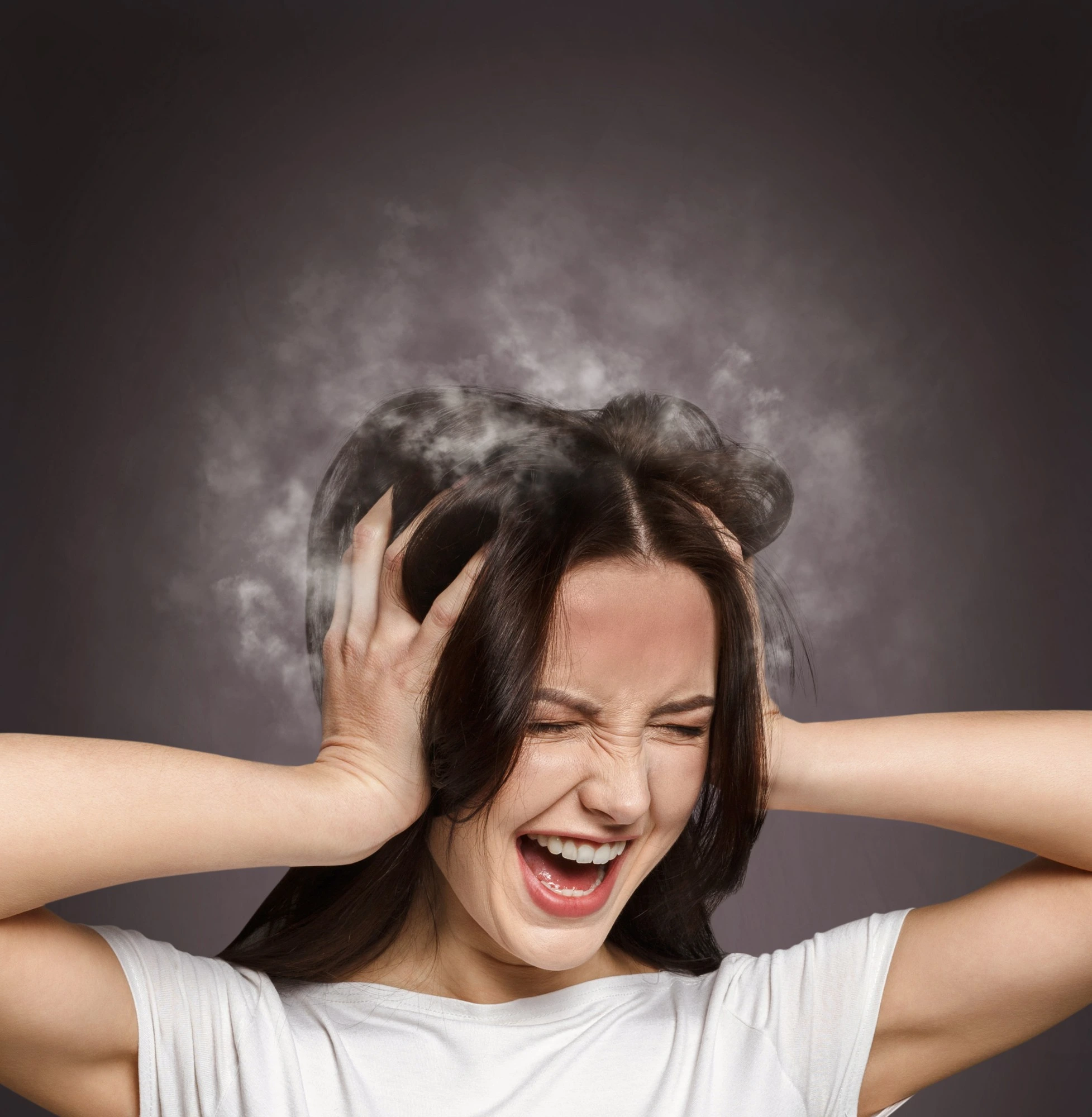
Living in Hyderabad has its perks—vibrant culture, delicious food, and rapid urban development. The only flip side of its growth is the increase in pollution, which most locals do not realize until it stares back at them in the mirror. Dust, smoke, vehicle emissions, and construction are noise pollution and skin pollution because they slowly take toll on your skin and hair to a greater extent than you realize.
Some of Euderm Skin & Hair Clinic’s common cases include sudden skin breakouts, dull faces, hair fall, and scalp problems, with pollution being a major factor. Your skin and hair serve as the first line of defense from environmental elements, but as the air fills with microscopic pollutants, that defense weakens.
Understanding The Impact Of Pollution On Hair
To undertake a proper course of action for improving hair health, one must first understand how pollution can cause deformation in hair. If these changes tally with what you experience in your hair from day to day, taking appropriate action might help.
- Weakening Hair Strands: Dust settles with smoke and other airborne chemicals on your hair, drying it up, making it brittle, and prone to breakage.
- Causes Scalp Irritation: Polluted air usually contains harmful gases and particles that could create itching, redness, and flaking on the scalp.
- Increase of Hair Fall: Pollution exposure could block hair follicles, thus causing excessive hair shedding or even long-term thinning.
- Build-ups on the Scalp: Pollutants will mix with natural oils and sweat to create a layer of dirt that regular shampooing might not get rid of.
- Changes in Hair Texture: Continuous exposure to airborne toxin makes hair rough and frizzy and difficult to handle.
- Loss of Shine and Smoothness: Pollution drains natural moisture from hair, thus leaving it dull and lifeless.
- Fading Hair Color: Pollution dulls hair color whether natural or dyed, making colors look faded as time goes by.
- Blocked Hair Growth: The clogged pores due to dirty particles on the scalp prevent nutrients from reaching the roots of the hair; thus, new growth is hindered.
- The Increased Need for Hair Washes: Grime and dust suffused from pollution might lead you to shampoo your scalp more often, thus drying it more.
- Long-Term Damage if Unchecked: Left unshielded and untreated, pollution can cause thickening, a sensitive scalp, and permanent changes in texture.
Understanding The Impact Of Pollution On Skin
Pollution does not only harm the air we breathe but also damages our skin. Here’s a simple explanation on how pollution harms the skin and what some of the important things are that you should know:
- Clogged Pores and Breakouts
Polluted air carries fine dust and harmful particles that settle on the skin, blocking pores and causing blackheads, whiteheads, and acne.
- Premature Aging
Constant exposure to polluted environments speeds up the breakdown of collagen and elastin, leading to fine lines, wrinkles, and dullness.
- Uneven Skin Tone
Pollution contributes to dark spots, pigmentation, and skin discoloration by triggering excess melanin production.
- Dryness and Dehydration
Pollutants weaken the skin’s natural barrier, making it more prone to dryness, rough texture, and tightness.
- Increased Sensitivity
Toxins in polluted air can irritate the skin, causing redness, itching, inflammation, and even eczema flare-ups.
- Loss of Radiance
Continuous contact with polluted elements strips the skin of its natural glow, making it appear tired and lifeless.
- Weakened Skin Barrier
Daily exposure to environmental stressors erodes the skin’s defense, allowing harmful substances to penetrate deeper.
- Worsening of Existing Conditions
Pollution aggravates conditions like acne, rosacea, and dermatitis, making them harder to manage over time.
Tips To Protect Your Hair & Skin Against Pollution
Pollution can damage your hair, making it dry, weak, and lifeless. Here are some simple and effective tips to help protect your hair:
1. Cover Your Hair When Stepping Out
- Use a scarf, hat, or cap to shield your hair from dust and smoke.
- Avoid exposing hair to direct sunlight and polluted air for long periods.
2. Wash Your Hair Regularly
- Use a mild shampoo to remove dirt, sweat, and pollutants.
- Don’t overwash—2 to 3 times a week is usually enough.
3. Use a Clarifying Shampoo Occasionally
- Helps remove buildup from pollution and styling products.
- Use once a week or as needed to avoid dryness.
4. Condition Your Hair Properly
- Always follow shampooing with a good conditioner.
- It creates a protective layer and keeps hair soft.
5. Apply Hair Serum or Oil Before Going Out
- Forms a protective barrier against harmful particles.
- Reduces frizz and helps keep hair manageable.
6. Avoid Heat Styling Tools
- Pollution already weakens your hair—don’t add more stress with heat.
- If necessary, use a heat protectant spray.
7. Stay Hydrated and Eat Nutritious Food
- Drink enough water every day.
- Eat foods rich in vitamins, protein, and omega-3 for healthy hair.
8. Comb Gently and Keep Your Hair Tied
- Prevents breakage and tangling due to wind and dust.
- Choose loose hairstyles to avoid stress on the scalp.
9. Use a Microfiber Towel or Soft Cotton Cloth
- Reduces friction and hair breakage while drying.
- Avoid rough towel rubbing.
10. Avoid Going Out with Wet Hair
- Wet hair is more prone to damage and attracts more dust.
- Let your hair dry naturally or use a blow dryer on a cool setting if needed.
